Join us for lecture on Jack Bush on November 7, 2024 at 7PM.

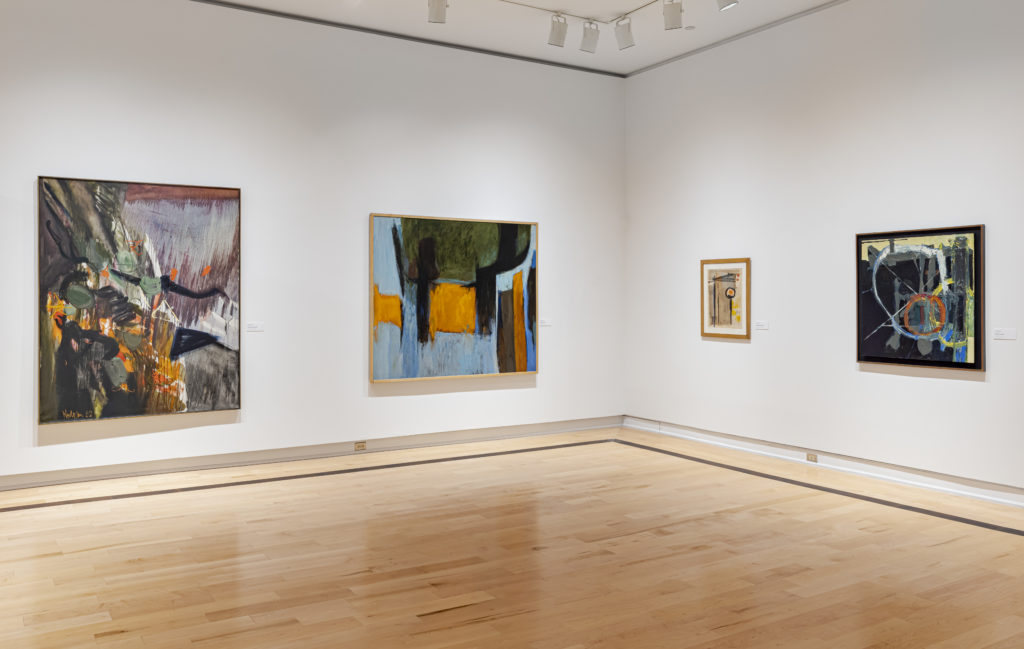
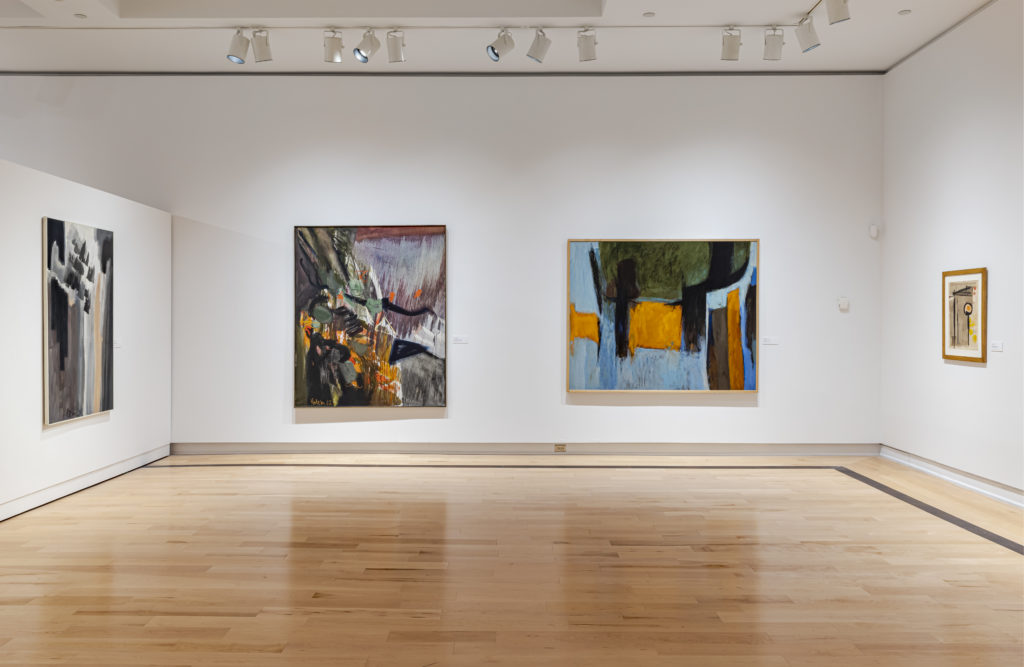
A founding member of Painters Eleven, Jack Bush (1909-1977) was one of the first Canadian painters of his generation to achieve international success. Considered a late bloomer with abstraction, Bush found his voice as an artist in his late forties. His exploration with abstract expressionism provided him with an outlet to express his feelings and moods. By the 1960s, he had a breakthrough with painting – applying paint thinner and more simplistically. Bush would shift towards Color Field abstraction which gained him international fame. Drawing primarily from the RMG’s permanent collection, this exhibition pulls together works that reflect the scope of Bush’s artistic career and the self-expression he found in art.
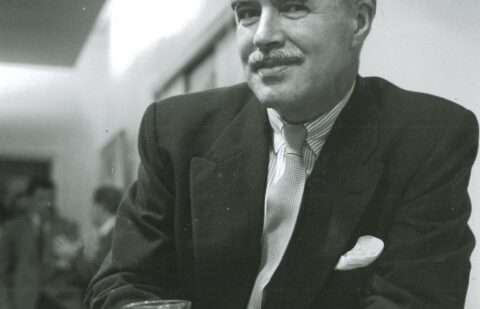
Join us to learn about the life and art of Jack Bush. Guest lecturer Sarah Stanners, art historian and Director of Jack Bush Catalogue Raisonné Project, will share her extensive knowledge and research about Jack Bush to complement the exhibition “Jack Bush: Breakthrough”. Registration encouraged. Dr. Sarah Stanners is an independent scholar and Adjunct Professor […]
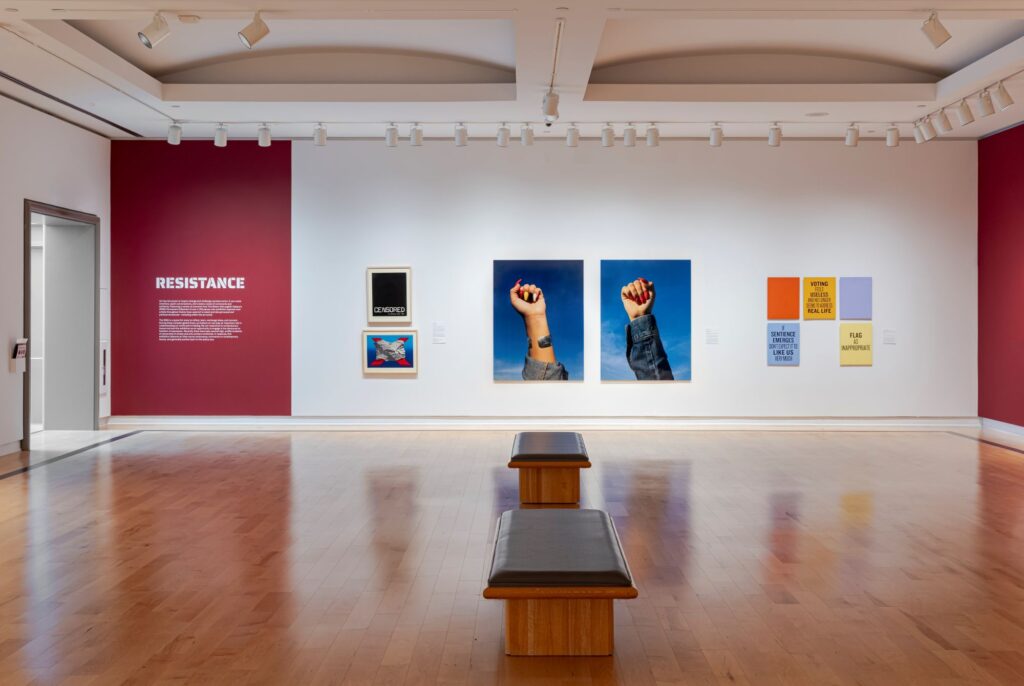
Art has the power to inspire change and challenge norms. It can evoke emotions, spark conversations, and create a sense of community and solidarity. Featuring a variety of artworks from The Robert McLaughlin Gallery’s (RMG) Permanent Collection of over 4,700 pieces, this exhibition explores how artists throughout history have used art to resist and disrupt social and political structures– including within the art world.
The RMG is a space for many to reflect, learn, engage in dialogue, and connect. During these complex global times, we believe art can play an important role in understanding our world and in healing. We are responsive to contemporary issues and see this exhibition as an opportunity to engage in the discourse on freedom of expression. Recently, there has been a number of high-profile incidents of censorship of artists and arts workers in our sector worldwide. In response, this exhibition features art that courts controversy, comments on contemporary issues, and generally pushes back on the status quo.
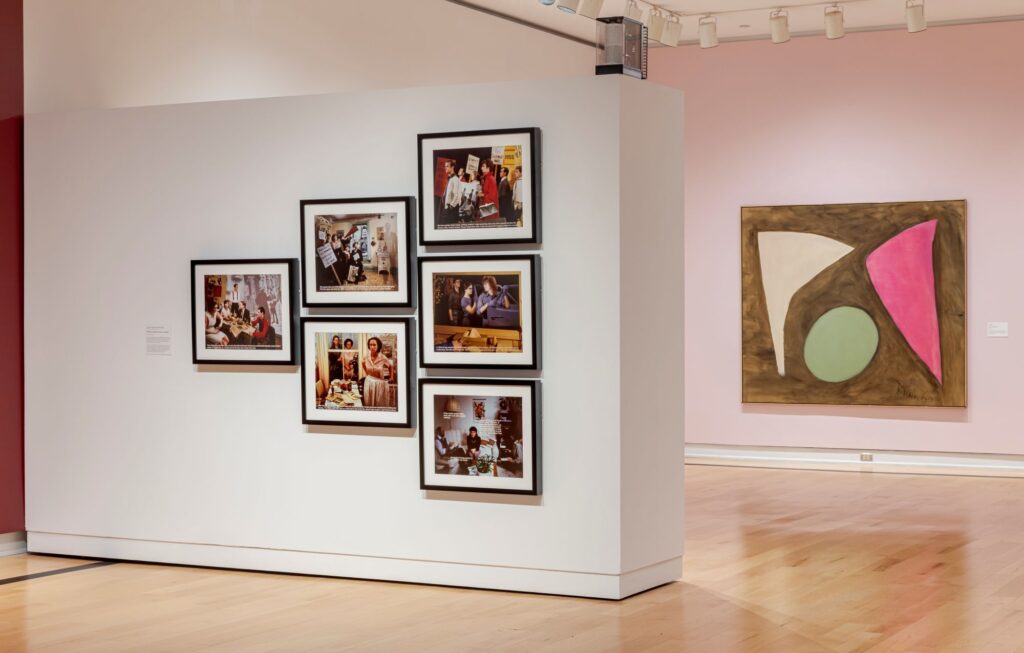
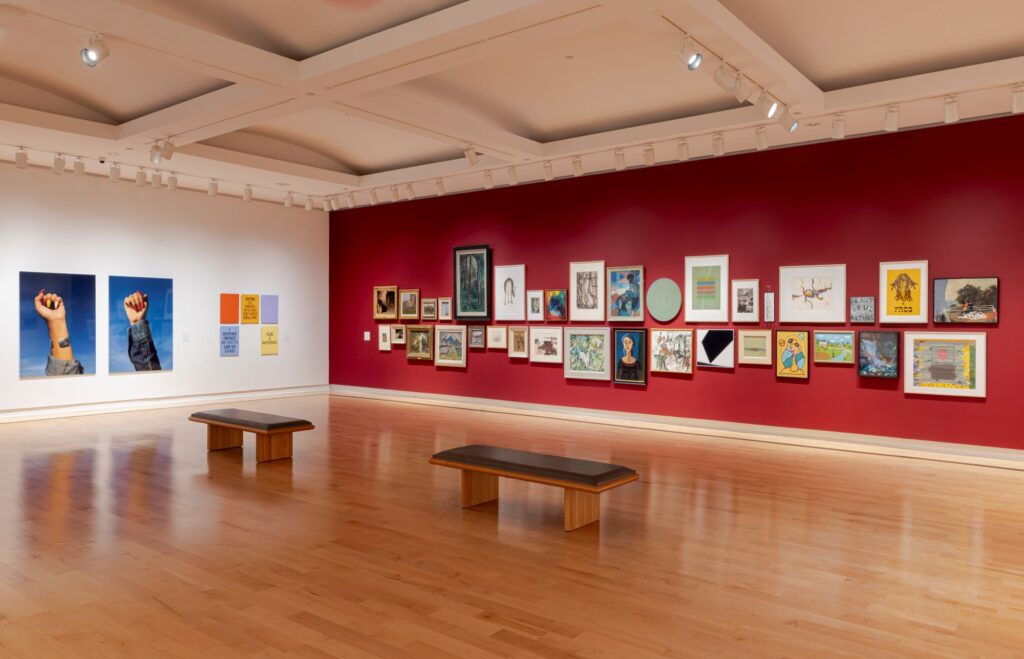
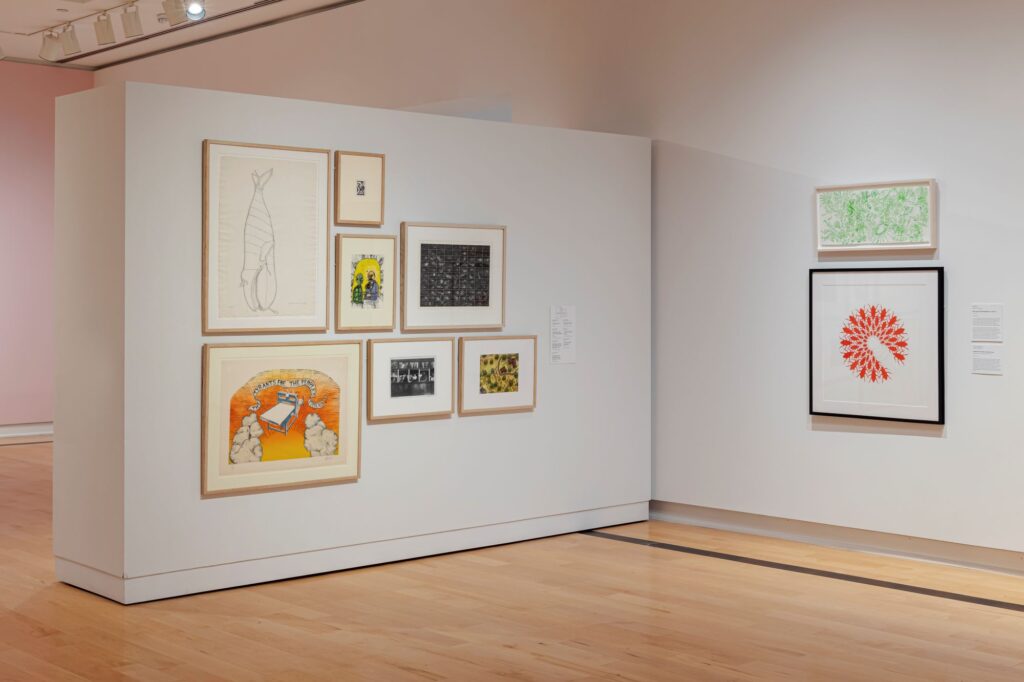
Installation of RESISTANCE at The Robert McLaughlin Gallery, 2024. Photos by Toni Hafkenscheid.
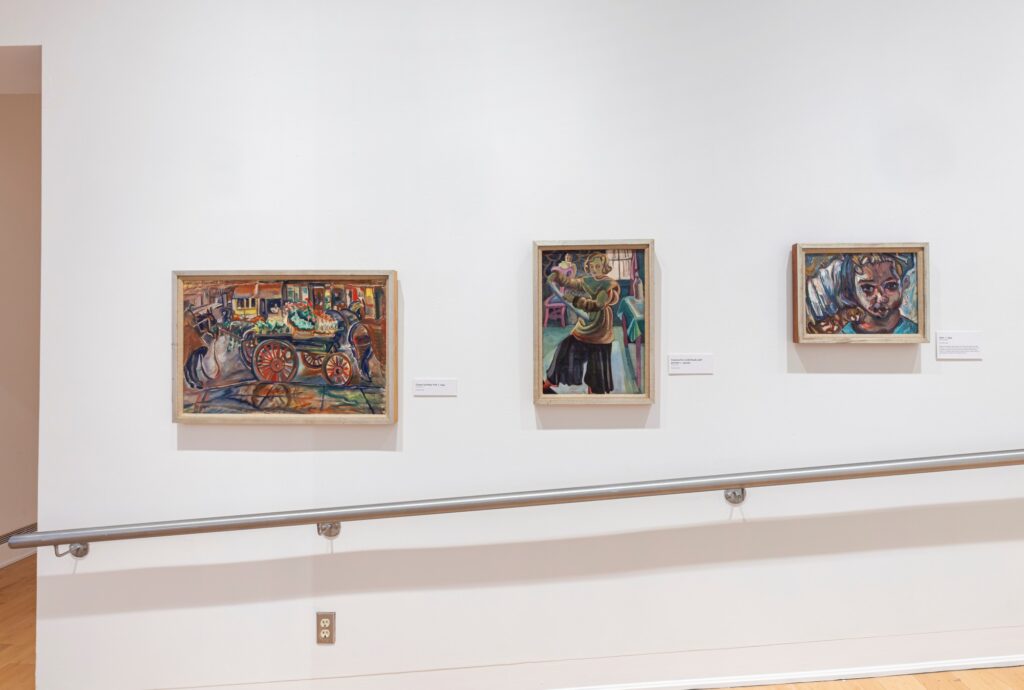
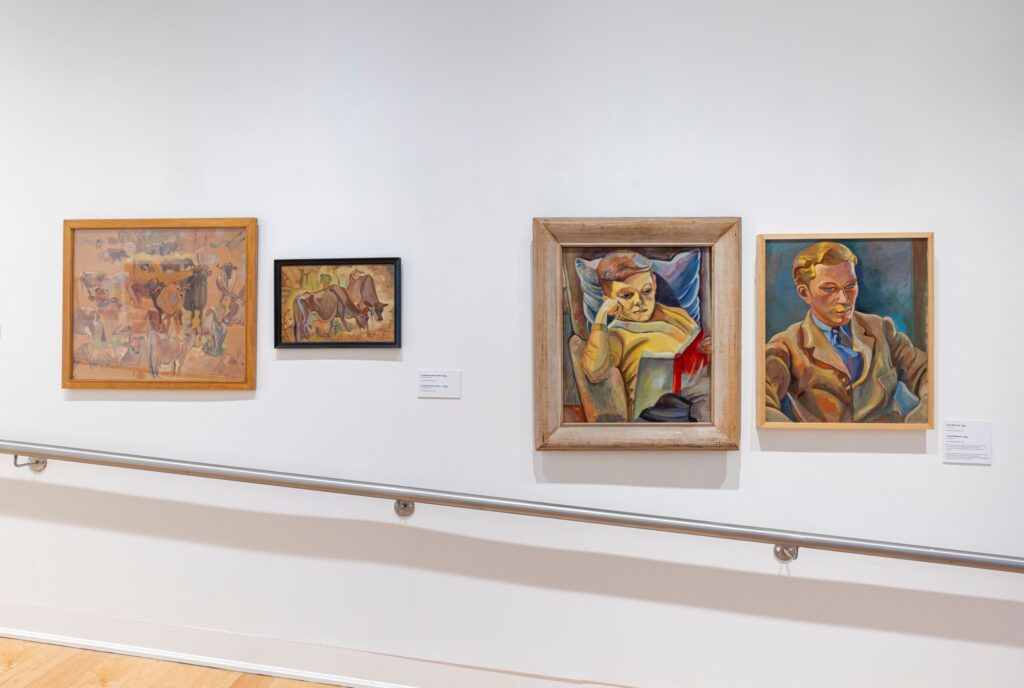
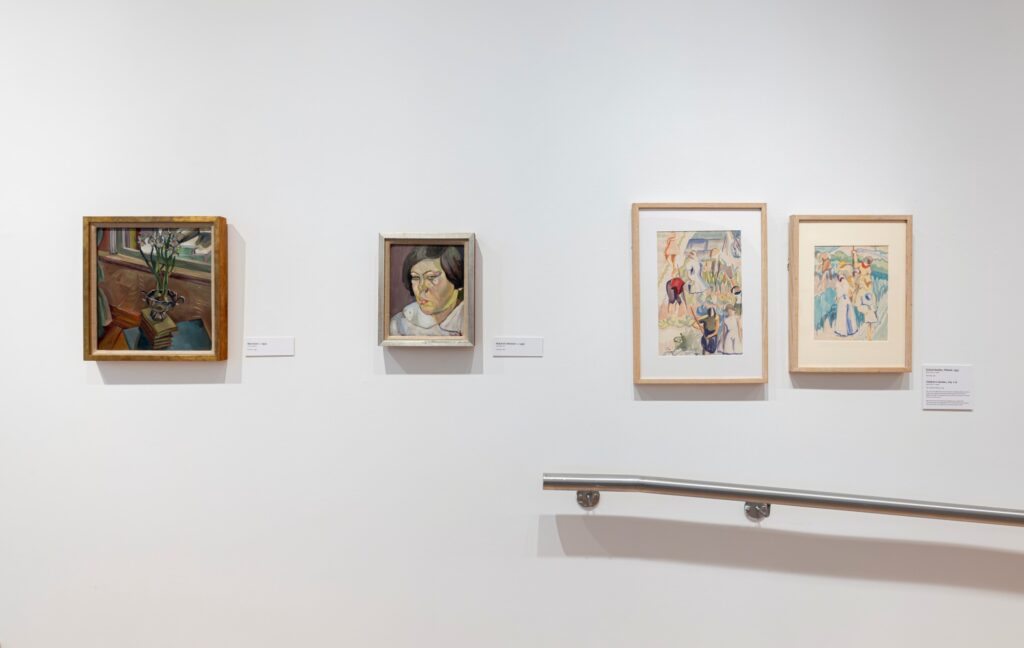
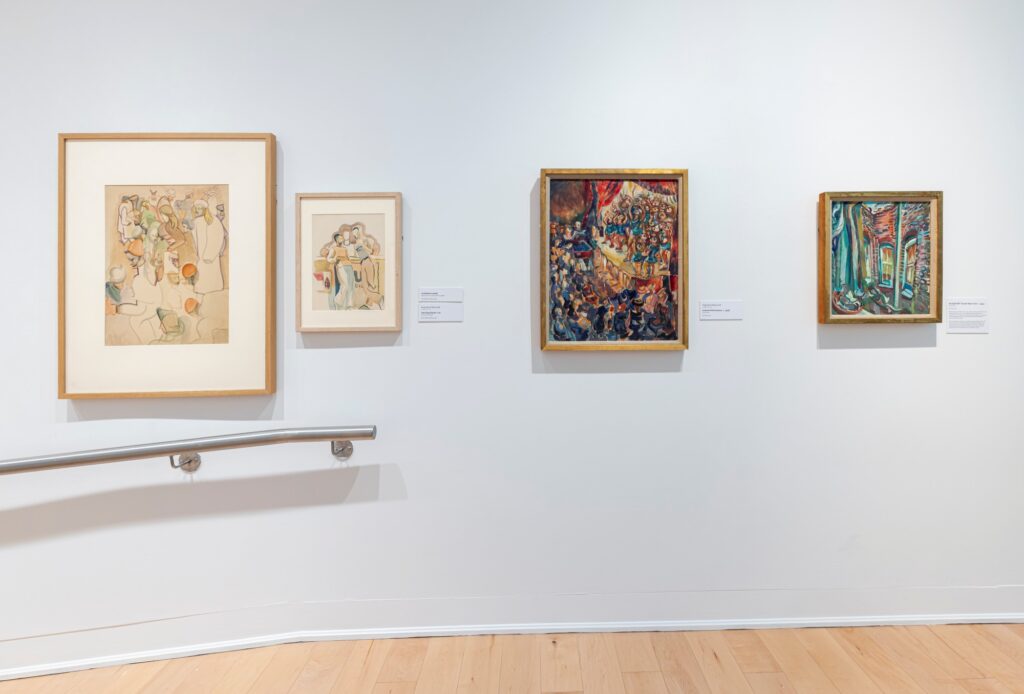
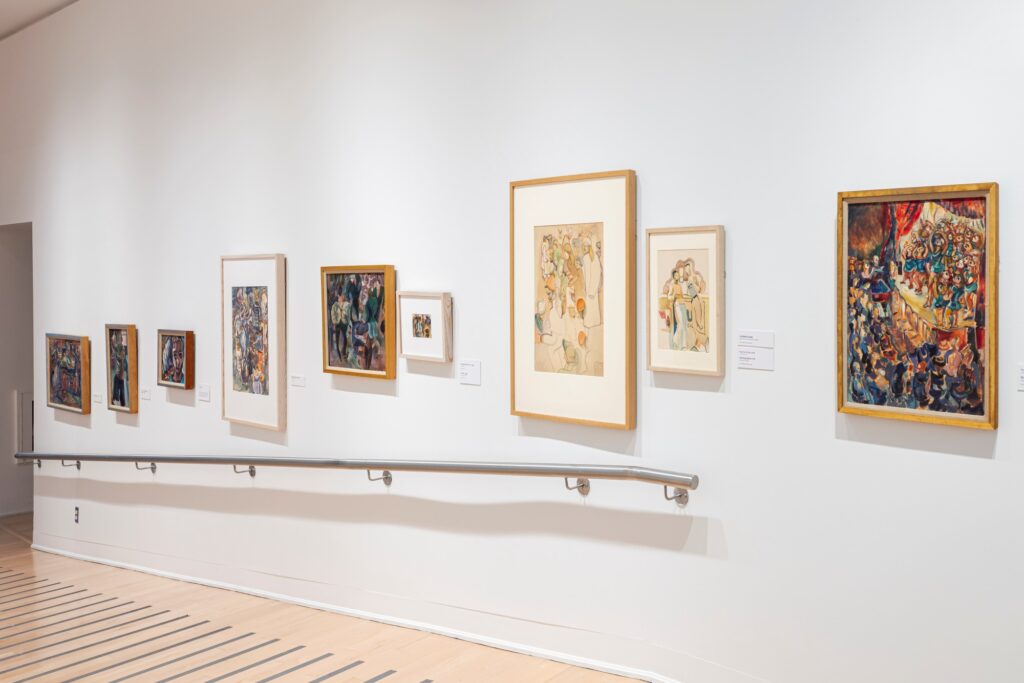
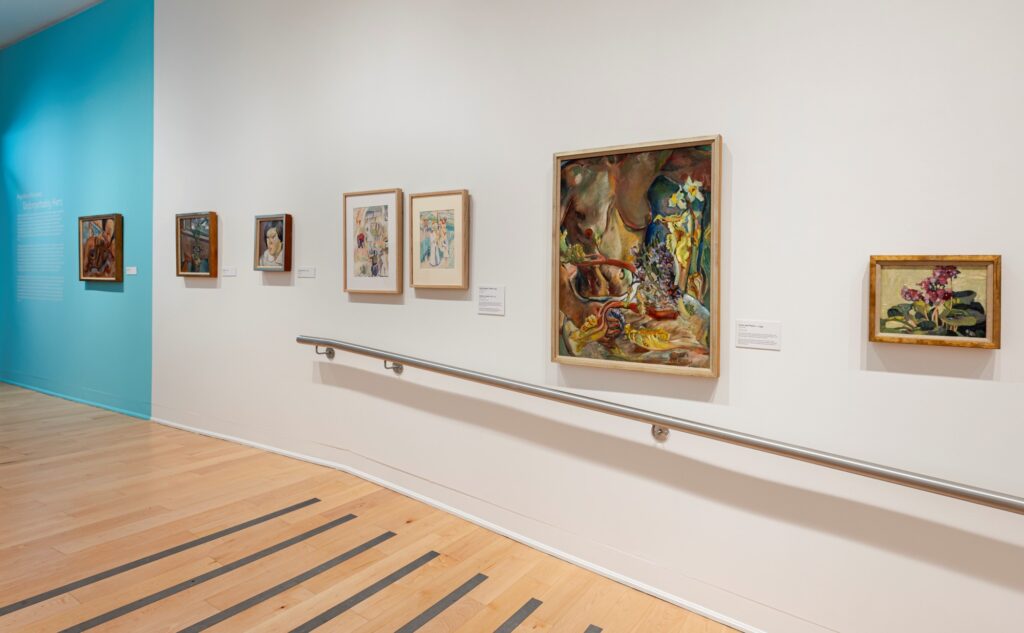
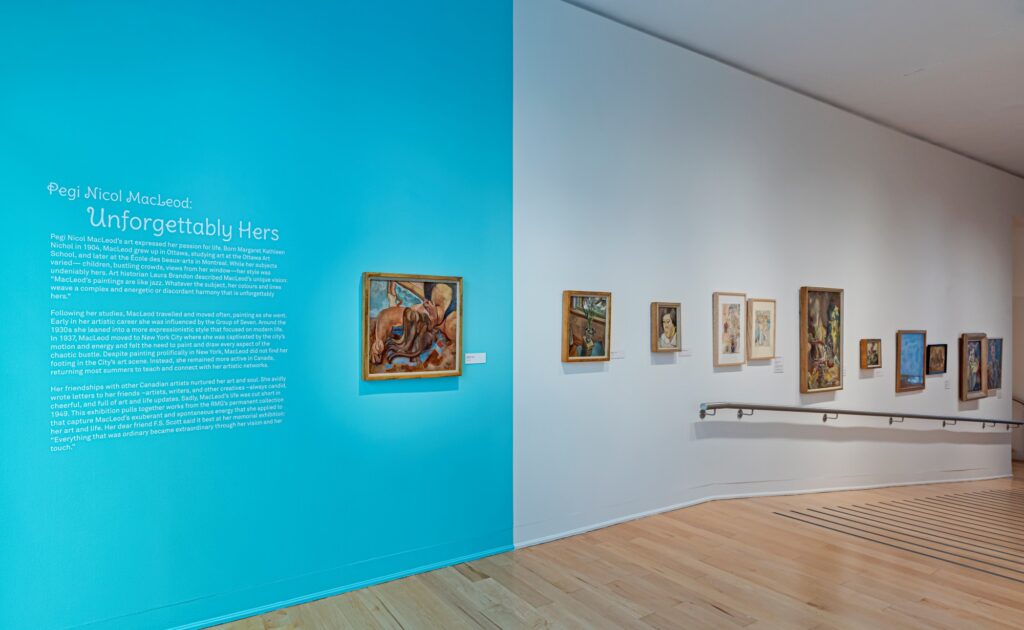
Pegi Nicol MacLeod (born Margaret Kathleen Nichol, 1904-1949) was inspired by everyday scenes around her. Growing up in Ottawa, MacLeod studied art at the Ottawa Art School, and later at the École des beaux-arts in Montreal. While her subjects were varied— children, bustling crowds, views from her window—her style was undeniably hers. Art historian Laura Brandon described MacLeod’s unique vision: “MacLeod’s paintings are like jazz. Whatever the subject, her colours and lines weave a complex and energetic or discordant harmony that is unforgettably hers.” This exhibition pulls together works in the RMG’s permanent collection that capture MacLeod’s exuberant and spontaneous energy that she applied to her life and art.
Installation of Pegi Nicol MacLeod: Unforgettably Hers at The Robert McLaughlin Gallery, 2024. Photos by Toni Hafkenscheid.
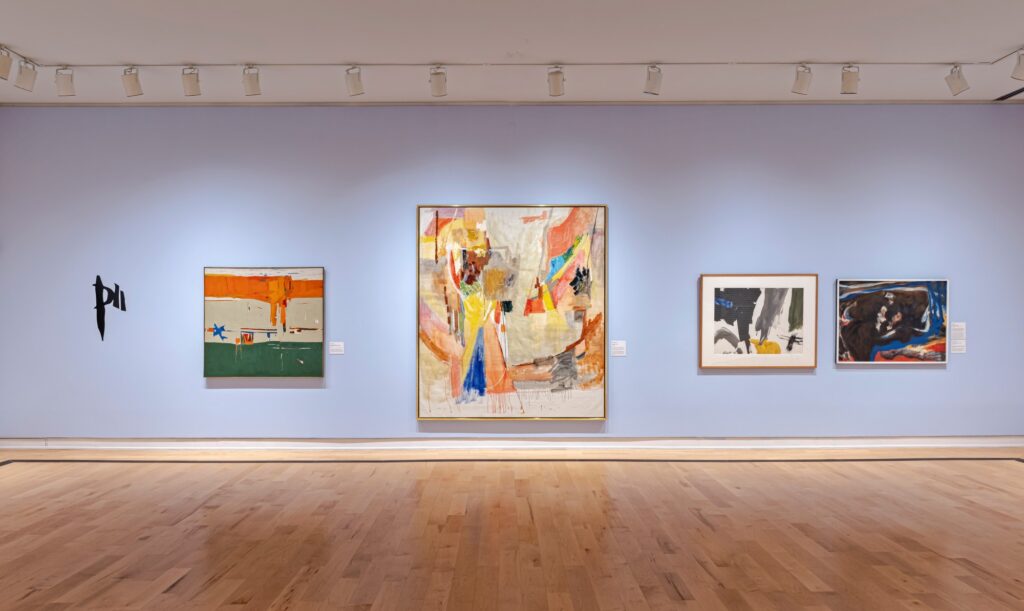
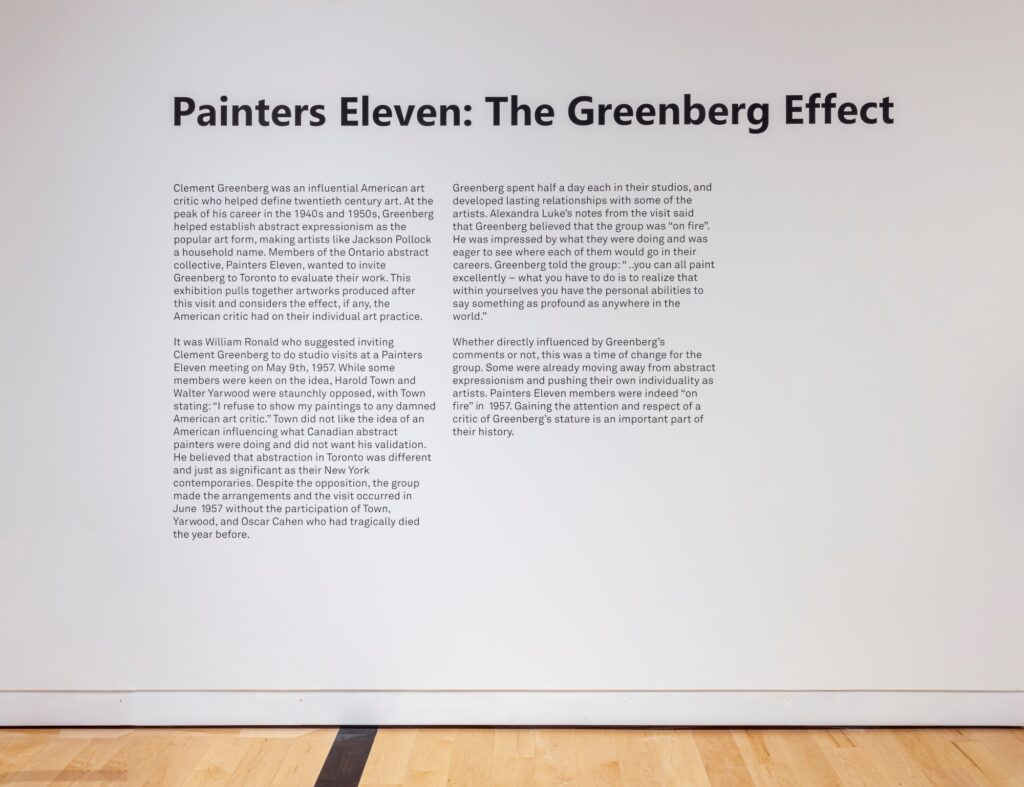
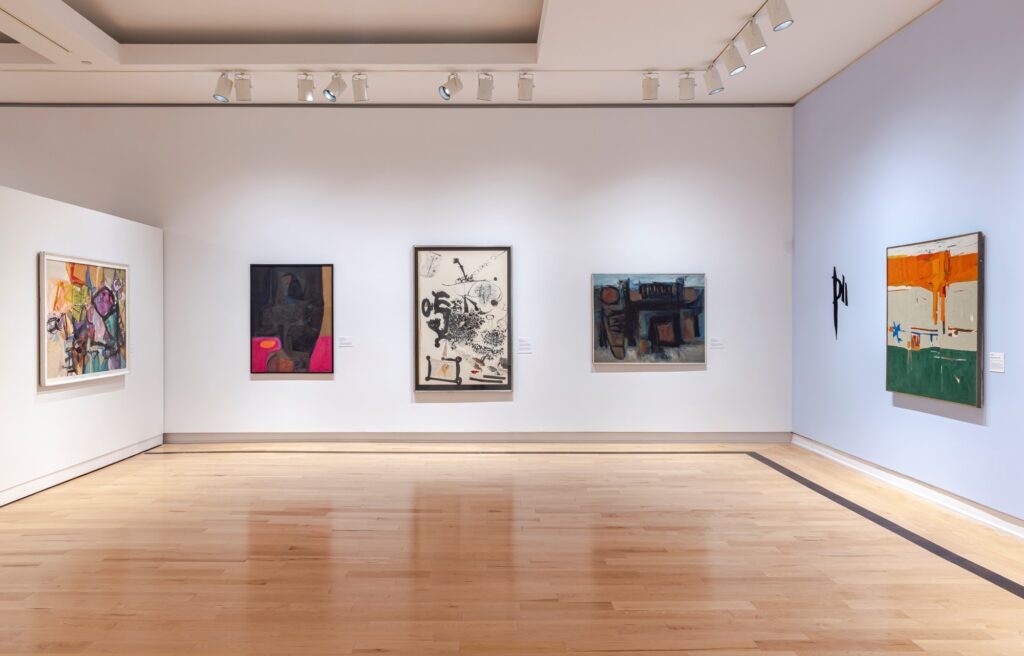
Clement Greenberg was an influential American art critic who helped define twentieth century art. At the peak of his career in the 1940s and 1950s, Greenberg helped establish abstract expressionism as the popular art form, making artists like Jackson Pollock a household name. Members of the Ontario abstract collective, Painters Eleven, wanted to invite Greenberg to Toronto to evaluate their work. This exhibition pulls together artworks produced after this visit and considers the effect, if any, the American critic had on their individual art practice.
It was William Ronald who suggested inviting Clement Greenberg to do studio visits at a Painters Eleven meeting on May 9th, 1957. While some members were keen on the idea, Harold Town and Walter Yarwood were staunchly opposed, with Town stating: “I refuse to show my paintings to any damned American art critic.” Town did not like the idea of an American influencing what Canadian abstract painters were doing and did not want his validation. He believed that abstraction in Toronto was different and just as significant as their New York contemporaries. Despite the opposition, the group made the arrangements and the visit occurred in June 1957 without the participation of Town, Yarwood, and Oscar Cahen who had tragically died the year before.
Greenberg spent half a day each in their studios, and developed lasting relationships with some of the artists. Alexandra Luke’s notes from the visit said that Greenberg believed that the group was “on fire”. He was impressed by what they were doing and was eager to see where each of them would go in their careers. Greenberg told the group: “…you can all paint excellently – what you have to do is to realize that within yourselves you have the personal abilities to say something as profound as anywhere in the world.”
Whether directly influenced by Greenberg’s comments or not, this was a time of change for the group. Some were already moving away from abstract expressionism and pushing their own individuality as artists. Painters Eleven members were indeed “on fire” in 1957. Gaining the attention and respect of a critic of Greenberg’s stature is an important part of their history.
Who were Painters Eleven?
Painters Eleven was the first abstract artist collective in Ontario, founded in 1953 at the cottage of Oshawa artist Alexandra Luke on the Oshawa/Whitby border.
Painters Eleven banded together around their shared desire to support abstraction and exhibit.
They were a collective from 1953-1960 and included the following artists: Alexandra Luke, William Ronald, Jack Bush, Oscar Cahen, Walter Yarwood, Kazuo Nakamura, Hortense Gordon, Harold Town, Jock Macdonald, Tom Hodgson, and Ray Mead.
The RMG has the largest collection of artworks by Painters Eleven in the world.
Who was Clement Greenberg (American, 1909-1994)?
Greenberg was one of the most influential art critics in the 20th century, and championed modernism and abstraction, helping to define Abstract Expressionism and Color Field painting.
Greenberg believed abstraction was superior to realism because of the focus on form rather than content. He thought art should focus on the medium used and not tell stories or comment on the world.
He wrote extensively about modern art. Some of his most important essays are : Avant-Garde and Kitsch (1939), Abstract Art (1944), and The Crisis of the Easel Painting (1948)
Greenberg was also an art collector. He amassed a huge collection that was donated to the Portland Art Museum by his widow Janice Van Horne. His collection included works by Kenneth Noland, Hans Hofmann, Jackson Pollock, William Ronald and Jack Bush.
Greenberg was not without controversy. Most notably he had a rivalry with fellow art critic Harold Rosenberg. Greenberg never swayed from his belief that art should be flat, abstract and focus on formal qualities, while Rosenberg argued that art should focus on content and action.
Like the painters Eleven, Greenberg visited other Canadian artist’s studio by invitation. He travelled to Northern Saskatchewan where he connected with artists like Kenneth Lochhead, Dorothy Knowles, and William Perehudoff.
Installation of Painters Eleven: The Greenberg Effect at The Robert McLaughlin Gallery, 2024. Photos by Toni Hafkenscheid.
This year marks one hundred years since Oshawa was incorporated as a city. From humble beginnings with a population of 16,000, today more than 172,000 people call Oshawa home. Through historical photographs from the Thomas Bouckley Collection, this exhibition explores what life was like in Oshawa in 1924.
Oshawa was established as the 25th city in Ontario on March 8th, 1924. A letter written by the Premier of Ontario, G.H. Ferguson, featured on the front page of the Oshawa Daily Telegram. He wrote: “As the home of a great portion of our automotive industry, Oshawa feels a growing and a permanent need in the life of the nation.” Industry in Oshawa was indeed booming. General Motors of Canada encouraged a growth in population from 4,000 to 16,000 over the previous decade. The city celebration was marked with a parade and the year was filled with various events that reflected Oshawa’s new status. In 1924, Mayor W.J. Trick oversaw the dedication of the Cenotaph in Memorial Park in honour of those lost in WWI, and there was the construction of the water tower which was thought at the time to be the largest in the world.
This exhibition looks back on the earliest recorded memories of the Oshawa’s city status. As we look toward the future, we can reflect on how far we have come, the immense progress the city has made, and what kind of city we want to be in the next 100 years.
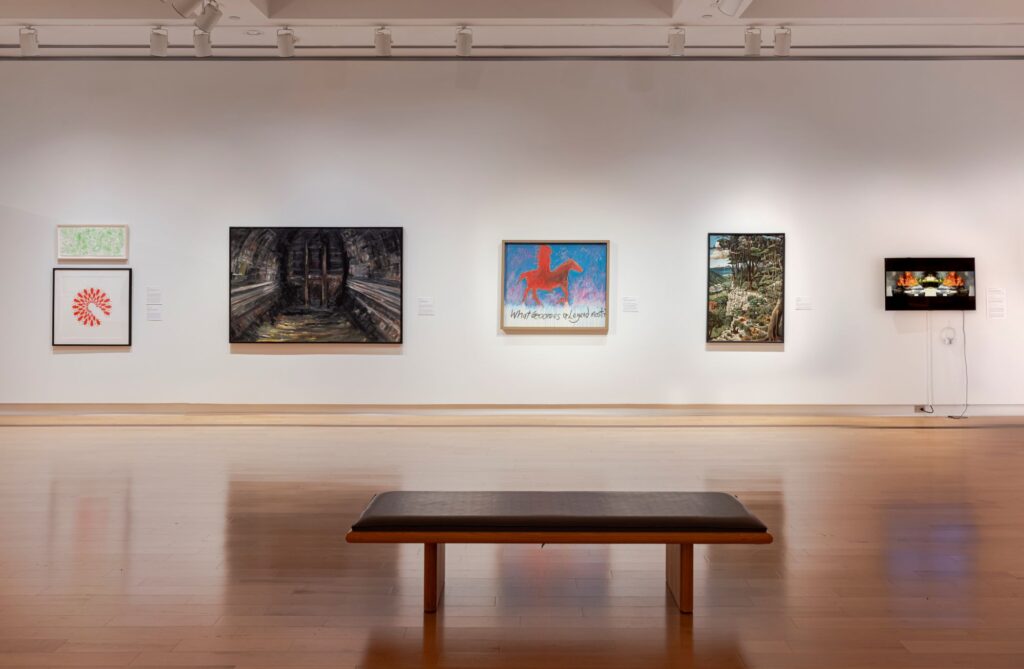
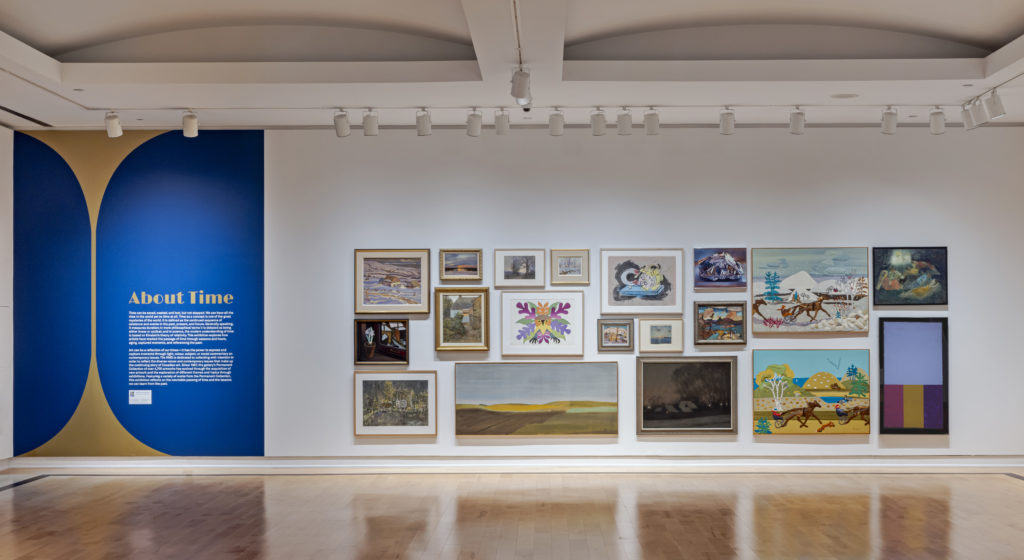
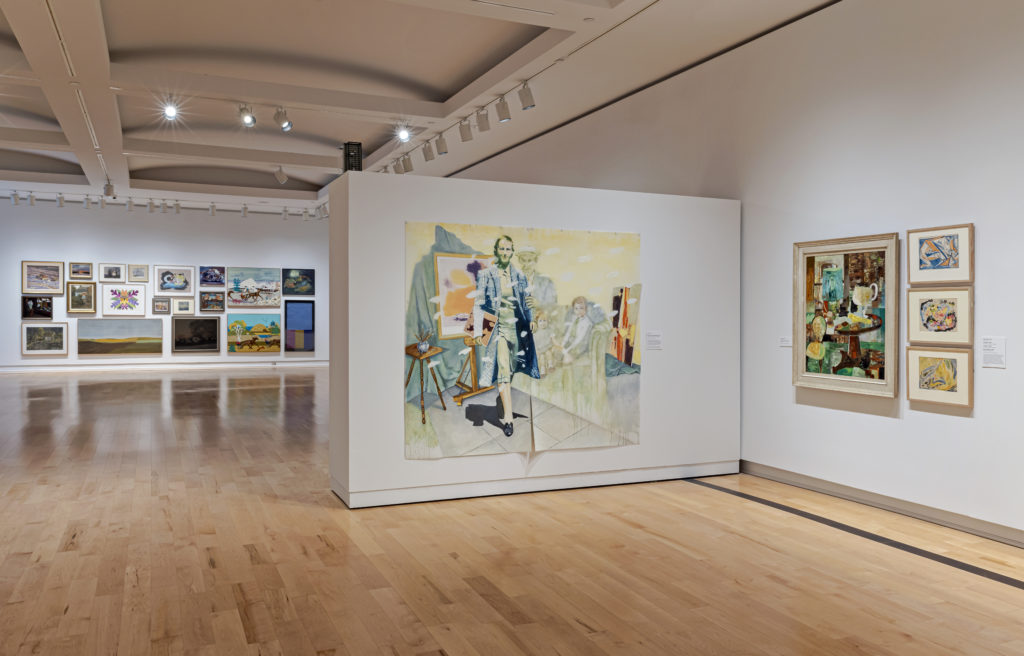
Time can be saved, wasted, and lost, but not stopped. We can have all the time in the world yet no time at all. Time as a concept is one of the great mysteries of the world. It is defined as the continued sequence of existence and events in the past, present, and future. Generally speaking, it measures duration; in more philosophical terms it is debated as being either linear or cyclical; and in science, the modern understanding of time is based on Einstein’s theory of relativity. This exhibition explores how artists have marked the passage of time through seasons and hours, aging, captured moments, and referencing the past.
Art can be a reflection of our times—it has the power to express and capture moments through light, colour, subject, or social commentary on contemporary issues. The RMG is dedicated to collecting with intention in order to reflect the diverse voices and contemporary issues that make up the continuing story of Canadian art. Since 1967, the gallery’s Permanent Collection of over 4,700 artworks has evolved through the acquisition of new artwork and the exploration of different themes and topics through exhibitions. Featuring a variety of works from the Permanent Collection, this exhibition reflects on the inevitable passing of time and the lessons we can learn from the past.
Installation of About Time at The Robert McLaughlin Gallery, 2023. Photo by Toni Hafkenscheid.
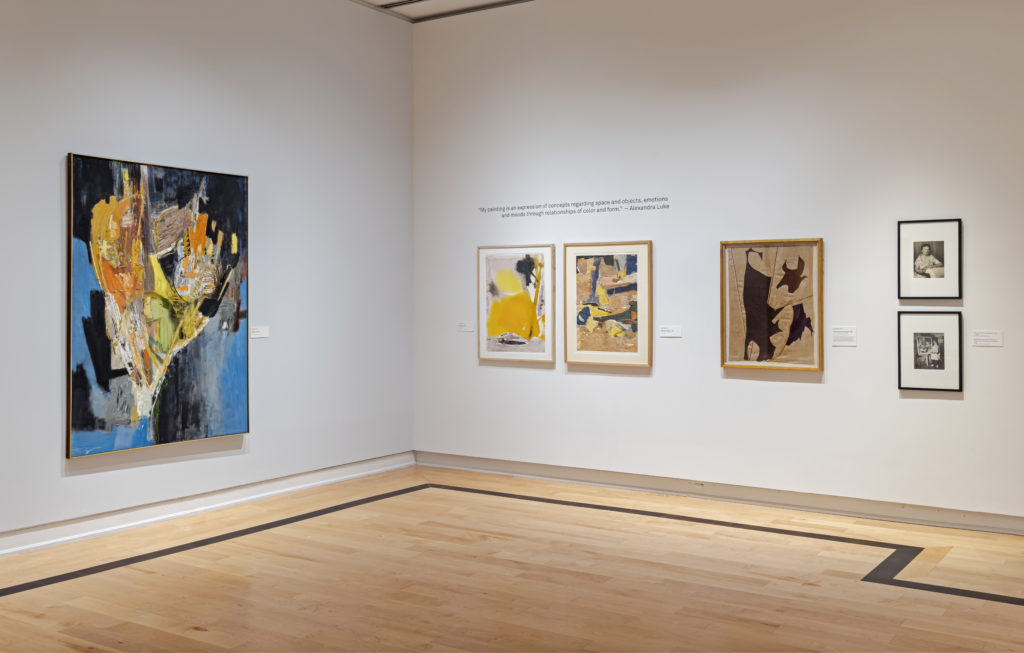
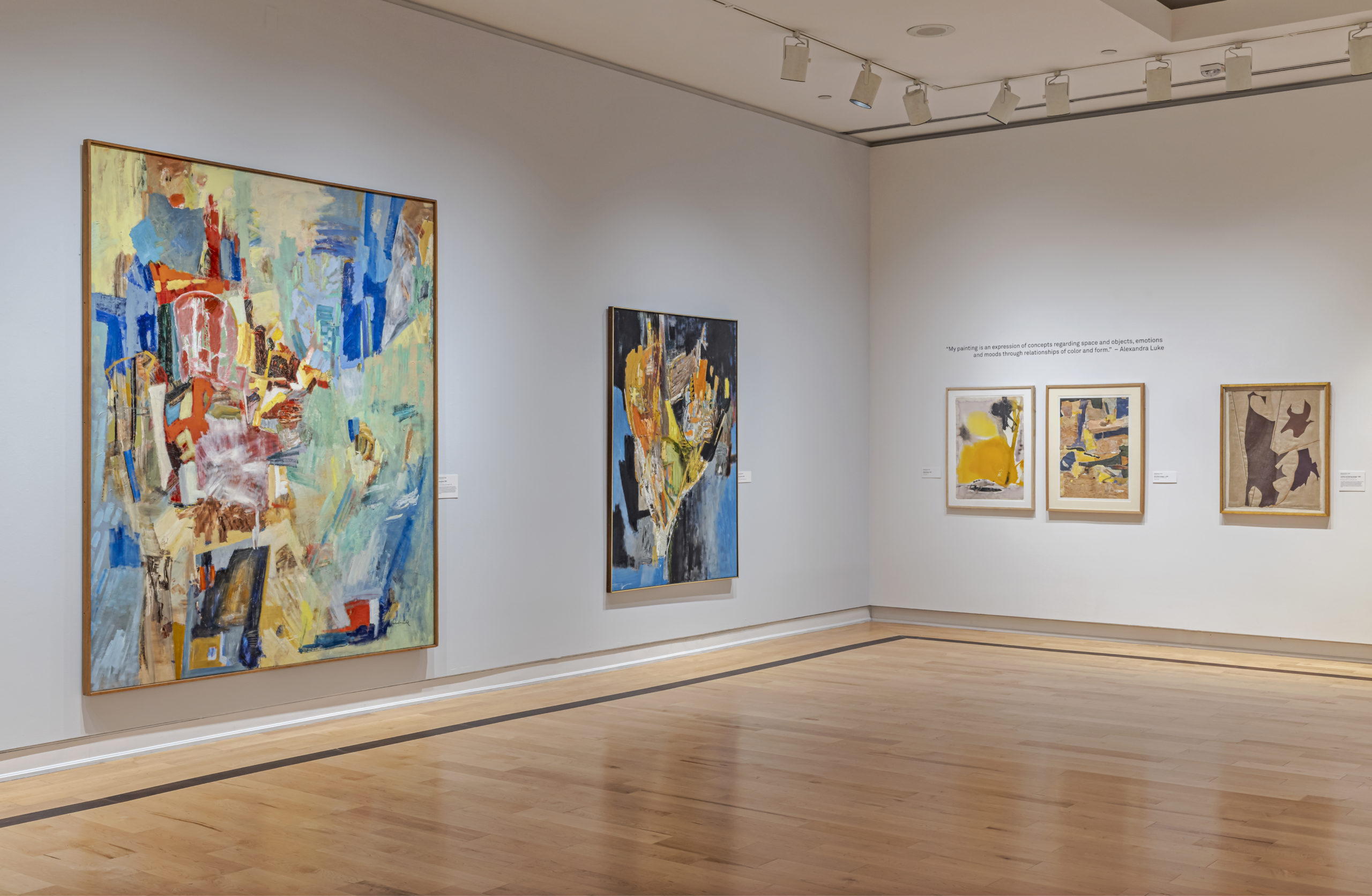
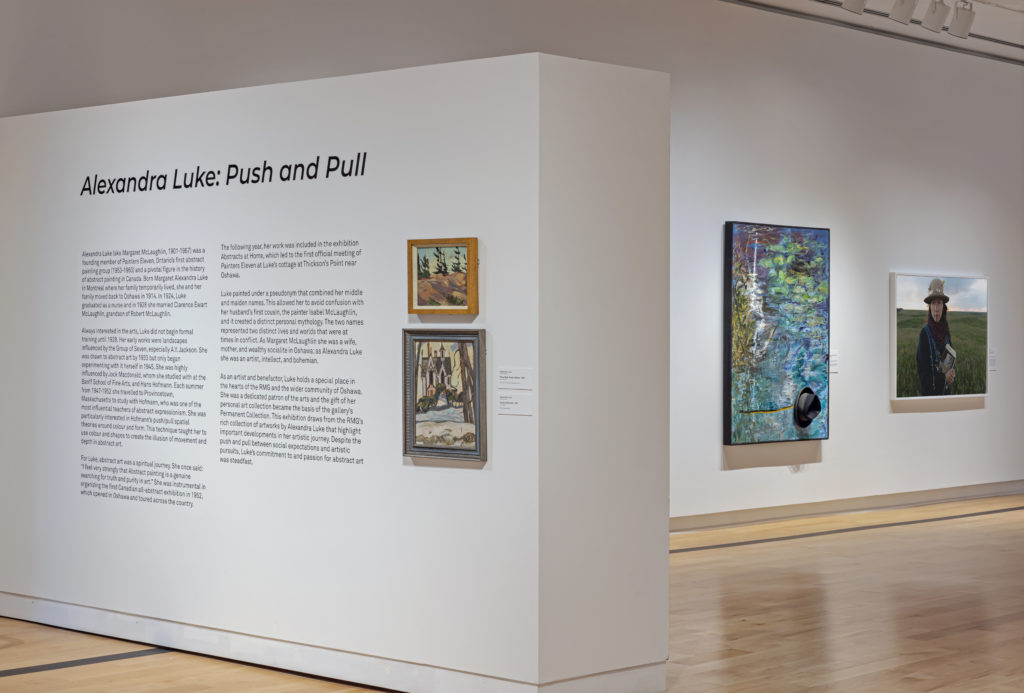
Alexandra Luke (i.e. Margaret McLaughlin, 1901-1967) was an important artist linked to the beginnings of abstract painting in Canada and a founding member of Painters Eleven, Ontario’s first abstract painting group (1953-1960). Born Margaret Alexandra Luke in Montreal, the Lukes had been an established family in Oshawa and returned in 1914. Luke graduated as a nurse in 1924 and would go on to marry Clarence Ewart McLaughlin in 1928, grandson of Robert McLaughlin. Always interested in the arts, Luke did not begin formal training until 1928, when she took classes from Jan Ampel. Her early work were landscapes, influenced by the Group of Seven style, in particular, A.Y. Jackson. She was drawn to abstract art by 1933 but did not begin experimenting with it until 1945. She was highly influenced by Jock Macdonald whom she studied under at the Banff School of Fine Arts. Each summer from 1947-1952 she travelled to Provincetown, MA to study under Hans Hofmann, who was considered be one of the most influential abstract expressionist teachers. Luke’s experience with Hofmann had a profound impact on her work, in particular his push/pull spatial theories around colour and form.
Luke was instrumental in organizing the first Canadian all-abstract exhibition in 1952, which opened in Oshawa, and toured across the country. The following year, she exhibited work in the exhibition Abstracts at Home, which led to the first official meeting of Painters Eleven at Luke’s cottage at Thickson’s Point near Oshawa in 1953. Abstract art for Luke was a spiritual journey, saying: “I feel very strongly that Abstract painting is a genuine searching for truth and purity in art.”
Luke painted under a pseudonym that combined her middle and maiden names. This allowed her to avoid confusion with her husband’s first cousin, the painter Isabel McLaughlin. In having a different artist name, it created a personal mythology. The two names represented two distinct lives and worlds. As Margaret McLaughlin she was a wife, mother, and wealthy socialite in Oshawa; as Alexandra Luke she was an artist, intellect, and bohemian. Alexandra Luke holds a special place in the hearts of the RMG and the wider community of Oshawa. She was a patron of the arts in Oshawa and the gift of her personal art collection created a starting point for the gallery’s permanent collection. This exhibition draws from the RMG’s rich collection of artworks by Alexandra Luke that highlight important developments in her artistic journey. Despite the push and pull between social duties and artistic pursuits, Luke’s dedication and passion for abstract art was steadfast.
Installation of Alexandra Luke: Push and Pull at The Robert McLaughlin Gallery, 2023. Photo by Toni Hafkenscheid.
Clean and healthy waterways contribute to the social, economic and environmental wellbeing of a community. Oshawa’s main watershed, the Oshawa Creek, has a history of contamination connected to early industrial development. The creek flows 50 kilometres from its headwaters in the Oak Ridges Moraine to its mouth on Lake Ontario, and played a central role in Oshawa’s historical foundation as a settler community. The lake and the creek were an ideal source of power for early industries but had an environmental impact polluting the waterway with metals and other contaminants. Industrialization along the creek also had an impact on the Indigenous populations who used the Creek for transportation and subsidence, with dams and pollution making the pathway less accessible and healthy. Recreational use of the creek was also effected with quality of water being connected to quality of life for early residents.
GTR Bridge Over the Oshawa Creek, 1910, The Thomas Bouckley Collection.
The Creek was deemed polluted and unsafe for human consumption as early as 1902 due to over 50 years of industrial activities along it. Since 1958, the health and quality of the Oshawa Creek has been monitored closely by the Central Lake Ontario Conservation Authority, and today in cooperation with the City of Oshawa. This exhibition pulls together a selection of photographs to reflect on the history of industry along the Oshawa Creek and to consider the effects rapid development has on the quality of health and life in a growing city.
The Thomas Bouckley Collection is a photographic collection originally compiled by Oshawa historian and collector Thomas Bouckley. It consists of over 3500 images that depict the visual history of this community and is searchable online.
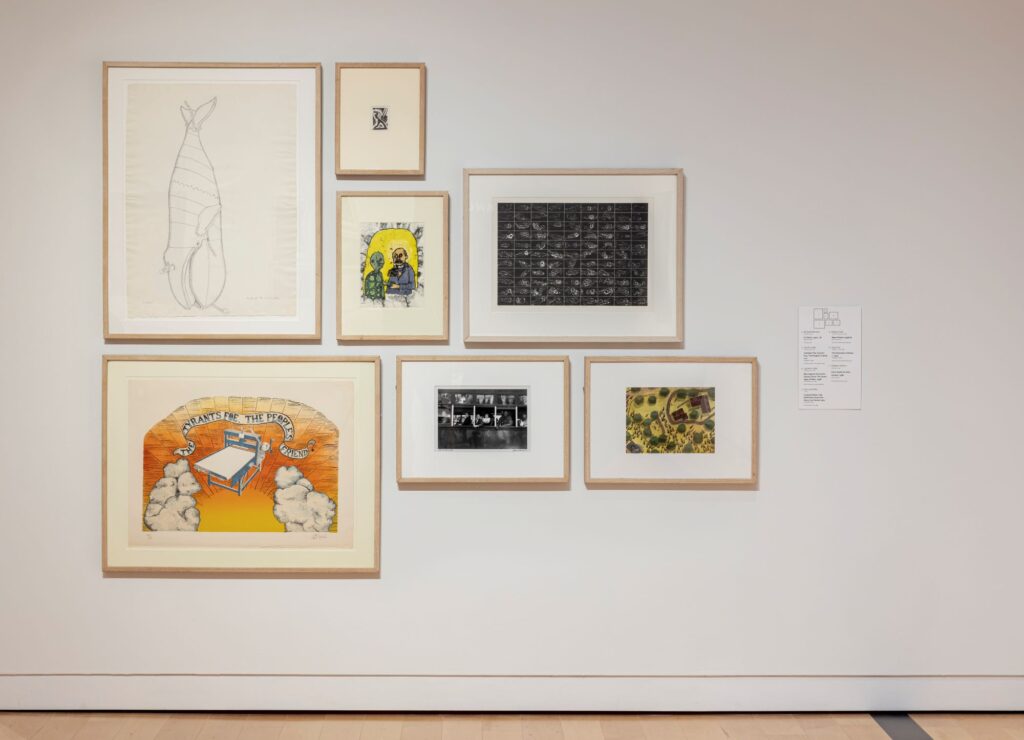
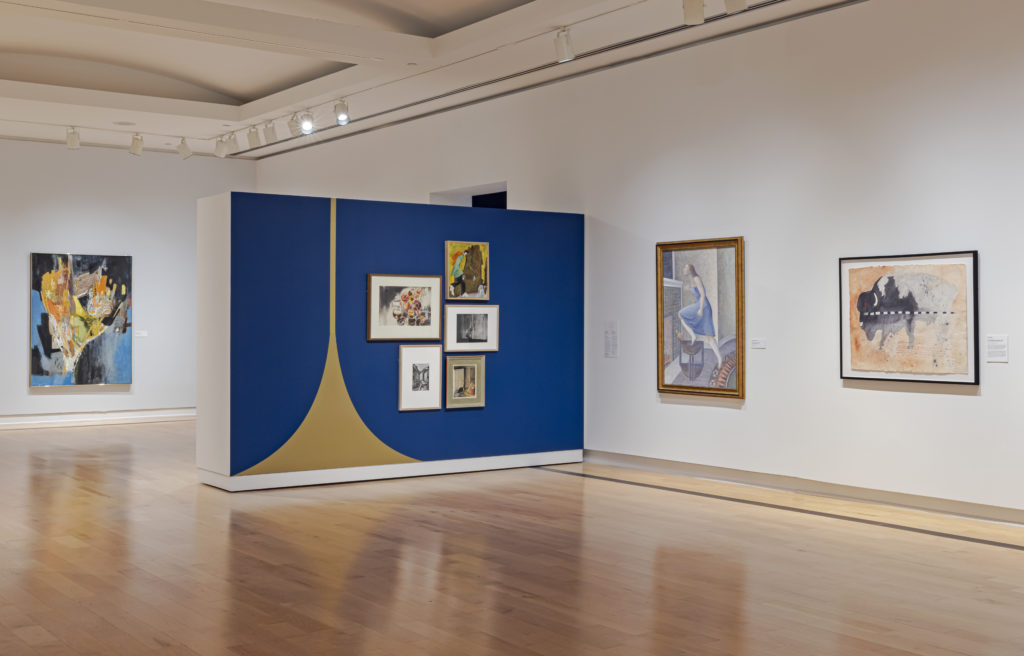
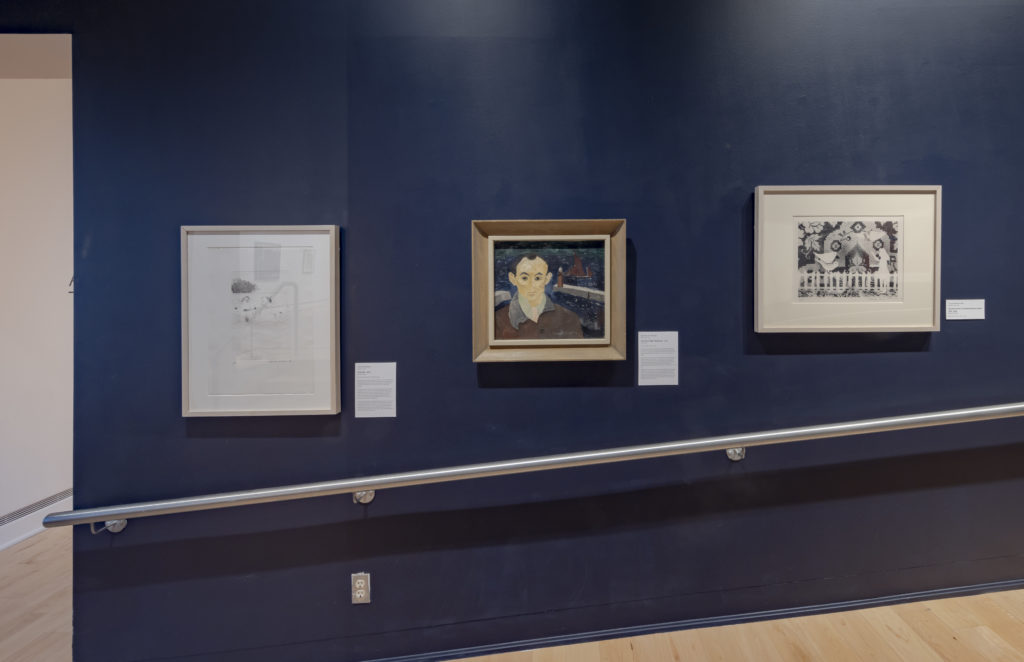
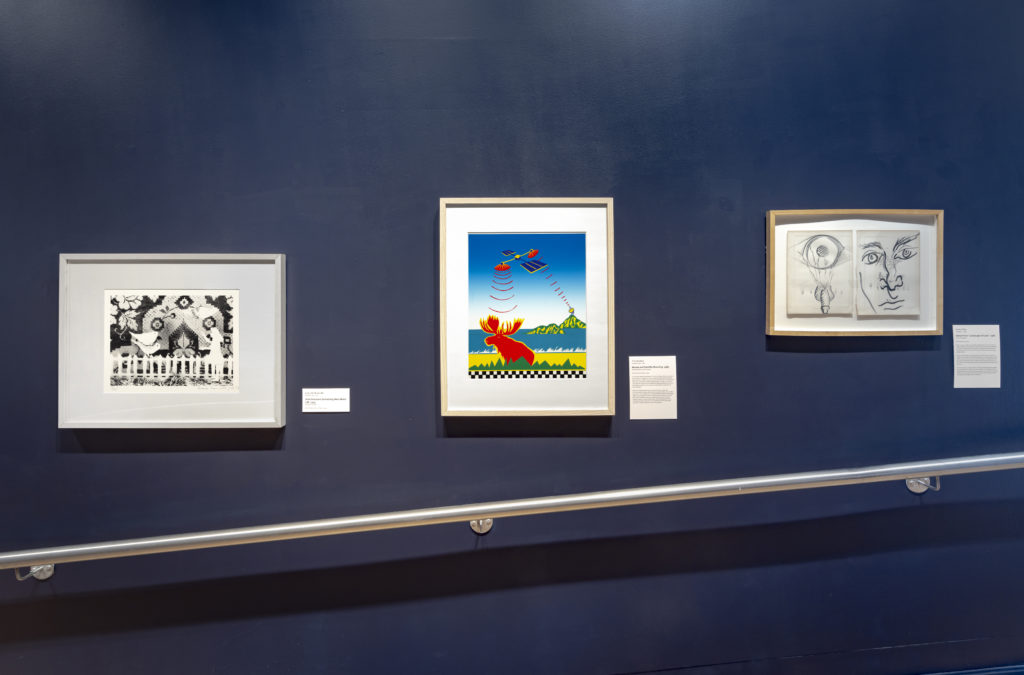
Queering the Collection brings together a selection of artworks from the RMG’s permanent collection and seeks to expand upon the established interpretations of these artworks by looking at them through a queer lens. The artworks were selected taking into account records and documentation that suggest these artists lived outside of gender and sexuality binaries and in doing so, questions why these facts have been historically removed from conversations about the artist and their work.
“Queer” as a term is often used as shorthand for the wider 2SLGBTQIA+ community. Historically used as a slur, it was reclaimed during the AIDS crisis in the 1980s as a way to refuse stigmatization. Today the term remains controversial, but is rooted in the urge to challenge normative systems and relations, question accepted boundaries, and reject societal expectations. It is a way of being in the world, a shared sense of understanding and community with other queer people. In the current global context, when the rights of queer people are being simultaneously recognized and all but erased, examining historical queerness feels increasingly urgent, acknowledging that we have always been here, and provides a sense of ancestry to young queer people.
Queerness has always been present in the arts but has been historically dependent on artists remaining invisible and unnamed. Rediscovering and acknowledging the queer stories of these artists, explicit or covert, adds a valuable layer to the interpretation of their work. The featured artists have used their artwork as an outlet to explore themselves, seek change, and redefine the world around them. Some artists lived openly, sharing their lives and experiences publically through art, some we may only be able to speculate about, while others lived quietly during a time when their private lives were criminalized. They have used their artwork to express the pain of losing loved ones to AIDS, the joy of queer relationships, and the banality of everyday life; essential human experiences often only permitted in private spaces for many queer people in history and even today.
Queering the Collection invites viewers to consider a new lens of interpretation when looking at these works. In questioning how society interprets our histories, we establish foundational methods for being curious and questioning how we live today, and think critically about our role in the world.
Installation of Queering the Collection at The Robert McLaughlin Gallery, 2023. Images by Toni Hafkenscheid.
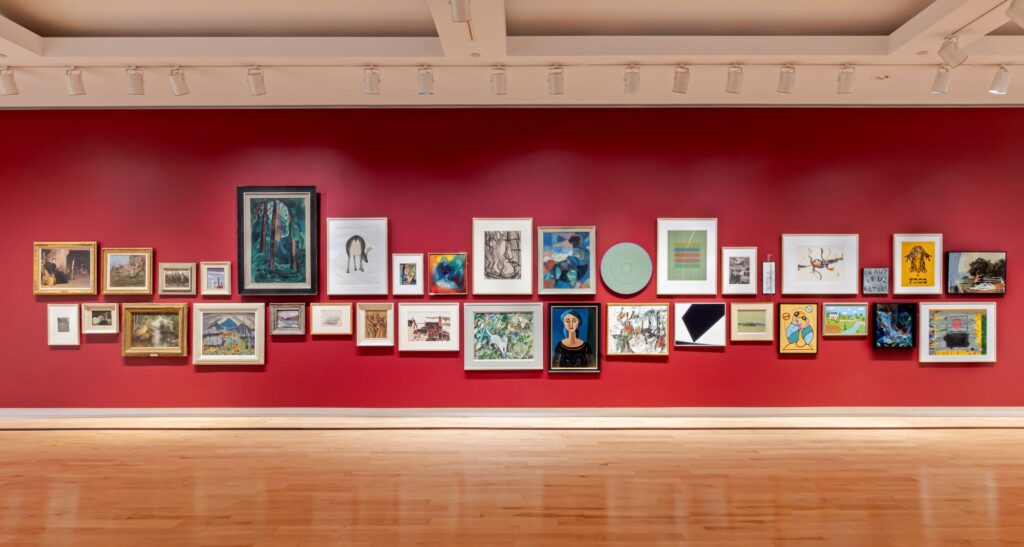
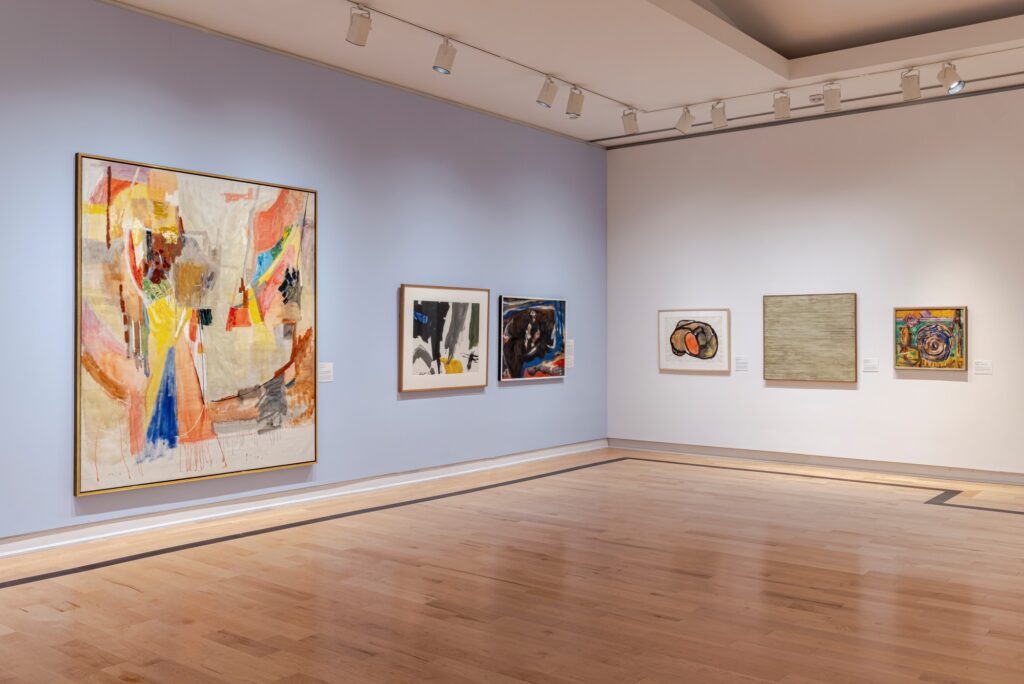
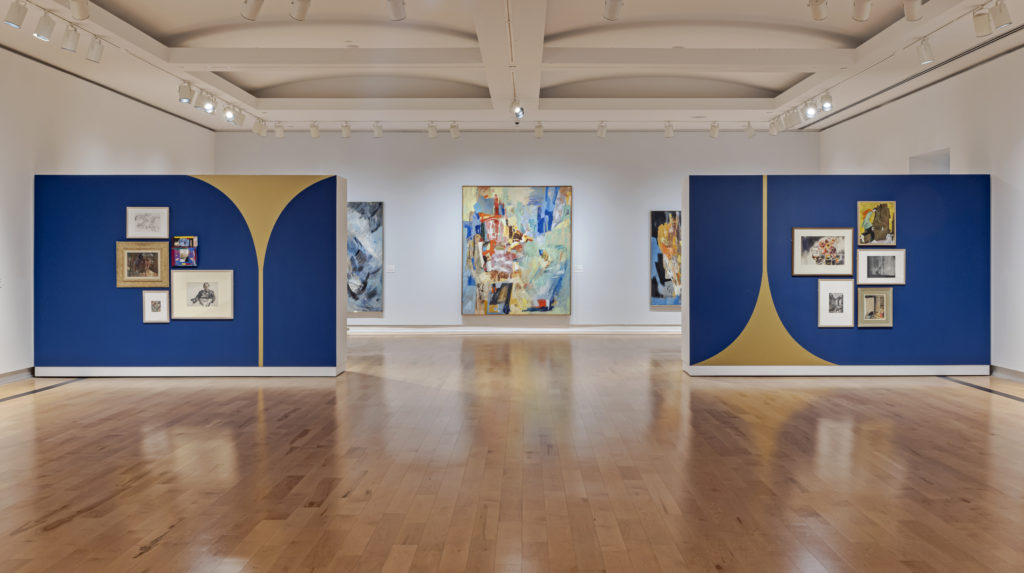
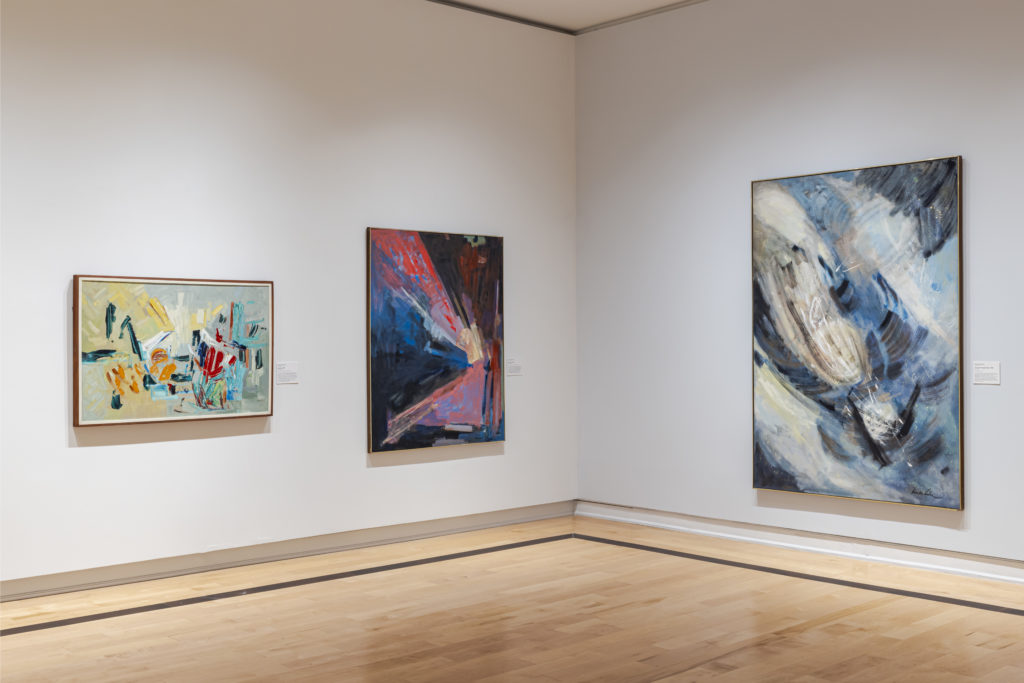
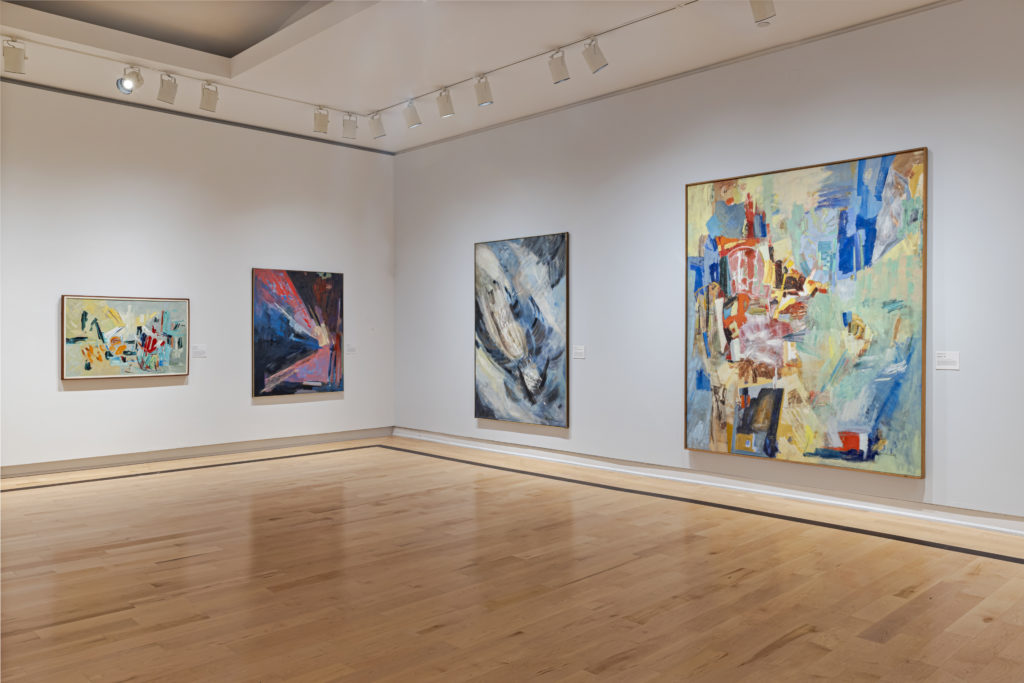
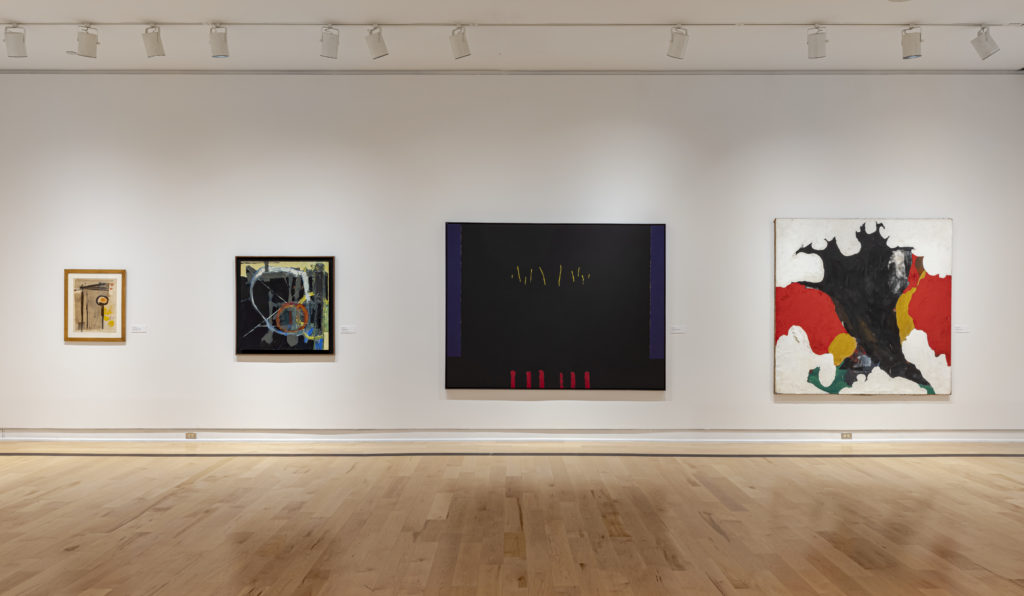
Painters Eleven was the first abstract artist collective in Ontario. They were founded in 1953 at the cottage of artist Alexandra Luke on the Oshawa/Whitby border. Rather than having a common philosophy or style, Painters Eleven banded together around their shared desire to support abstraction and exhibit together. As Jock Macdonald noted: “The meaning of our group is the fact that we think alike about creativeness in art and the unity established is our power.” Rather than a manifesto, the group settled on a statement: “There is no manifesto here for the times. There is no jury but time. By now there is little harmony in the noticeable disagreement. But there is a profound regard for the consequences of our complete freedom.” (1955)
The Robert McLaughlin Gallery’s collection began in 1967 when artist Alexandra Luke, a member of the Painters Eleven, donated thirty-seven works from her private collection. Luke’s donation of art included work by all of the members of Painters Eleven and helped to establish the RMG’s unique focus on collecting and exhibiting the work of Painters Eleven. Today, the RMG’s collection of paintings, drawings, sculptures and prints by Painters Eleven has grown to over 1000 works, including works from before and after the Painters Eleven years (1953-1960). The RMG has regular exhibitions featuring works by the group, pulling together different aesthetics or themes.
Installation of Painters Eleven: Ontario’s Abstract Collective at The Robert McLaughlin Gallery, 2023. Photo by Toni Hafkenscheid.